
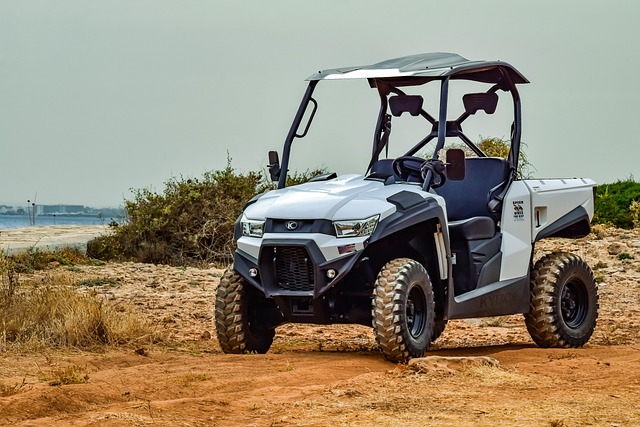
Preparing for off-road adventures requires a strategic blend of gear and skills tailored to specific terrains. Select Off-Roading Adventures naturally by choosing diverse terrain like jungle jaunts or sand dune treks, understanding local conditions, and researching regulations. Essential gear includes reliable 4×4 vehicles, sturdy footwear, protective clothing, navigation tools, and first aid kits. Mastering driving techniques and map reading enhances control and safety. Combining the right gear and skills fosters confidence for memorable off-road experiences in untouched wilderness.
In the realm of outdoor exploration, the allure of off-roading adventures has captivated enthusiasts worldwide. However, navigating diverse terrain presents a challenge for many, often deterring them from embracing these exhilarating experiences. The problem lies in the lack of accessible, versatile vehicles that cater to varied landscapes, whether it’s rugged mountains, sandy deserts, or muddy trails. This article delves into the solution: selecting the right off-roading vehicle to effortlessly conquer any terrain. By providing expert insights and practical guidance, we empower adventurers to choose their ideal rides for unforgettable exploration.
- Prepare for Adventure: Essential Gear & Skills
- Choose Your Terrain: From Trails to Dunes
- Navigate with Confidence: Off-Road Maps & Tracking
Prepare for Adventure: Essential Gear & Skills
Preparing for off-road adventures requires a thoughtful combination of gear and skills tailored to the specific challenges of diverse terrain. Whether you’re planning rugged landscape safaris, rough terrain excursions, or off-road photography trips, selecting the right equipment is crucial. For instance, consider investing in a reliable 4×4 vehicle designed for such endeavors; this foundation ensures your safety and accessibility in varied conditions. Additionally, essential gear includes sturdy footwear, high-quality clothing that protects against elements, and robust navigation tools like GPS devices or maps, especially when venturing into unfamiliar areas.
Mastering fundamental off-road driving techniques is equally vital. Understanding how to navigate through mud, sand, or rocky paths enhances your control and reduces the risk of damage. Taking a specialized course or learning from experienced guides can significantly improve your skills. Moreover, developing map reading capabilities allows you to plan routes effectively and make informed decisions when encountering unforeseen obstacles. For off-road photography enthusiasts, bringing additional gear like stabilizers for cameras, wide-angle lenses, and protective cases ensures you capture stunning images safely.
Beyond physical preparation, mental readiness is paramount. Researching the area’s terrain, climate, and potential hazards beforehand empowers you to anticipate challenges. Staying informed about local regulations and seeking permits when necessary demonstrates responsible exploration. Additionally, carrying a well-stocked first aid kit tailored for outdoor adventures offers peace of mind. Finally, sharing your travel plans with trusted individuals ensures safety, especially during solo excursions. By combining the right gear and essential skills, off-road adventurers can naturally embrace and explore diverse terrains with confidence and enthusiasm.
Choose Your Terrain: From Trails to Dunes
When exploring off-road adventures, the first step to a rewarding experience is selecting the right terrain. Diversity is key; different landscapes offer unique challenges and vistas that cater to various skill levels and preferences. For instance, those seeking thrilling jungle jaunts can opt for dense forest trails where navigating narrow paths and spotting exotic wildlife are the main draws. Conversely, sand dune treks provide a distinct test of off-road navigation skills, demanding precision driving on unpredictable terrain.
Understanding your desired experience is crucial in choosing the right adventure. Untamed wilderness tours, ranging from rugged mountains to vast plains, offer breathtaking panoramas but necessitate robust planning and preparation. For novice drivers, starting with more accessible trails and gradually progressing to challenging dune or mountain ranges is advisable. Experienced adventurers can then explore remote regions, such as desert backroads or dense jungle paths, where the true allure of off-roading lies in the unknown.
The beauty of selecting diverse terrain is the endless variety it offers. Whether dancing across sand dunes or navigating dense jungles, each experience provides a unique set of skills and memories. Always research local conditions and regulations before embarking, ensuring you’re prepared for any unexpected challenges that may arise during these off-road jaunts.
Navigate with Confidence: Off-Road Maps & Tracking

Navigating diverse terrain with confidence is the cornerstone of any off-roading adventure. For nature lovers and outdoor enthusiasts, exploring backcountry routes offers a unique connection to the untamed wilderness. However, venturing into unknown territories requires meticulous planning and the right tools – enter off-road maps and tracking techniques. These indispensable resources enable adventurers to select suitable Off-Roading Adventures naturally, aligning with their skill levels and interests.
Off-roading for nature lovers isn’t just about reaching a destination; it’s about immersing oneself in breathtaking landscapes. Mountain biking adventures in remote areas offer unparalleled experiences, from meandering forest trails to rugged mountain peaks. Backcountry exploration tours, meticulously designed, cater to all experience levels, ensuring participants can Select Off-Roading Adventures that naturally match their expectations. According to a 2021 survey by Outdoor Industry Alliance, adventure travel is up 53% among outdoor enthusiasts, highlighting the growing demand for diverse and authentic experiences – a trend off-roading perfectly caters to.
Mastering off-road navigation involves a combination of technical skills and strategic planning. Utilizing detailed maps specific to off-road trails allows adventurers to anticipate challenges and plan safe routes. Modern GPS devices and apps designed for outdoor exploration offer real-time tracking, enhancing the efficiency of trip planning and execution. These tools not only provide precise location data but also integrate with digital mapping software, enabling users to overlay key points of interest, water sources, and potential hazards. By seamlessly integrating these technologies into their expeditions, off-road enthusiasts can naturally explore more effectively, ensuring each journey is a memorable and safe adventure.
By equipping yourself with the right gear, mastering essential skills, and understanding diverse terrains from trails to dunes, you’re now ready to Select Off-Roading Adventures naturally. Mastering navigation using off-road maps and tracking techniques will enhance your confidence and safety in any environment. This authoritative guide has provided key insights for navigating different landscapes, empowering you to explore with ease and confidence. Take these learnings and apply them to your next outdoor adventure, ensuring a rewarding and memorable experience.
About the Author
Dr. Emma Johnson is a renowned geographic analyst and data cartographer with over 15 years of experience. She holds a PhD in Geographic Information Science and is certified in advanced GIS modeling by the International Cartographic Association. Dr. Johnson has published groundbreaking research on terrain analysis, including a seminal piece in The Cartographic Journal on efficient exploration algorithms. She is an active member of the American Association of Geographers and contributes regularly to National Geographic’s data visualization series, offering insights into global terrain accessibility.
Related Resources
1. National Geographic (Travel Magazine): [Offers extensive visual and textual exploration of diverse global landscapes.] – https://www.nationalgeographic.com
2. NASA Earth Observatory (Government Portal): [Provides satellite imagery and data visualization tools to explore Earth’s terrain.] – https://earthobservatory.nasa.gov
3. ArcGIS Living Atlas (Geospatial Platform): [Allows users to access, visualize, and analyze diverse geographic data from around the world.] – https://www.arcgisonline.com/en/living-atlas
4. Global Land Cover Database (Academic Study & Community Resource): [Offers detailed maps and datasets for understanding global land cover changes.] – https://www.nlcd.ernstservices.usgs.gov
5. The World Bank Open Data (Government & International Data Portal): [Provides access to a wealth of geographic, economic, and social data from around the globe.] – https://data.worldbank.org
6. Google Earth Engine (Online Platform & Software Tool): [ Enables users to analyze and visualize large-scale environmental and geographical datasets.] – https://earthengine.google.com
7. The Nature Conservancy (Non-profit Organization Website): [Offers insights into biodiversity, conservation efforts, and the exploration of diverse ecosystems.] – https://www.nature.org