
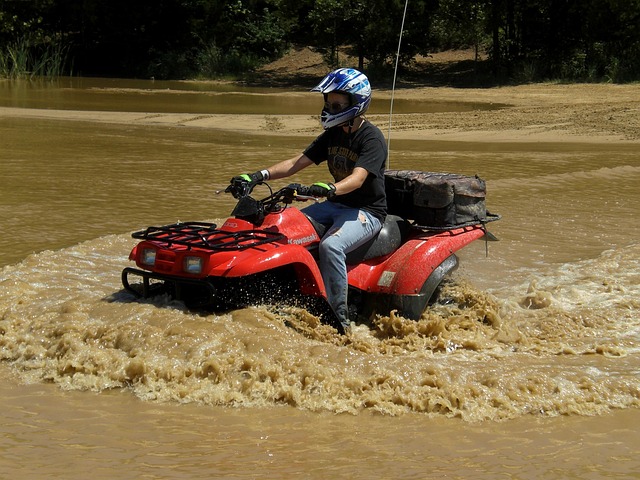
Embarking on Select Off-Roading Adventures requires meticulous planning. Research trails, consider vehicle capabilities, and utilize modern tools like AllTrails and OnX Maps. Prepare with appropriate gear, skills, and knowledge of local regulations. These adventures offer unique experiences in diverse ecosystems, promoting wilderness preservation through responsible tourism. Choose trails that minimize ecological impact, follow regulations, and respect natural habitats to ensure the long-term health of these areas.
In a world increasingly dominated by concrete jungles, the allure of hidden wilderness trails beckons adventurous souls seeking escape. These unexplored paths offer a chance to reconnect with nature, immerse in diverse ecosystems, and experience tranquility far from modern life. However, discovering such trails often proves challenging, as they are typically unmapped and overlooked. This article provides an authoritative guide to navigating these off-roading adventures naturally, empowering readers to uncover hidden wilderness trails that remain untouched by civilization. By sharing proven strategies and insights from seasoned explorers, we aim to enhance your outdoor experiences and foster a deeper appreciation for nature’s wonders.
- Research and Plan Your Off-Roading Adventure
- Uncover Hidden Trails Using Online Resources
- Prepare for Challenges: Gear and Skills Required
- Explore Diverse Ecosystems on Select Off-Roading Trails
- Embrace Wilderness: Ethical Considerations for Trekkers
Research and Plan Your Off-Roading Adventure

Embarking on a journey into the heart of nature’s untouched wilderness requires careful planning and an adventurous spirit. For those seeking thrilling off-roading experiences, selecting the right trail is paramount. This process involves meticulous research, understanding your vehicle’s capabilities, and aligning your trip with your desired level of challenge. Whether you’re drawn to the rugged deserts or eager for off-grid getaways, planning should be comprehensive.
Begin by identifying regions renowned for their diverse and adventurous terrain. For instance, consider the desert safari excursions that offer a unique blend of challenging tracks and breathtaking landscapes. These trips cater to various skill levels, from novice to expert, ensuring an inclusive experience. Researching online forums and community groups dedicated to off-roading can provide invaluable insights into hidden trails and local conditions. Many seasoned adventurers share their experiences, offering tips on less-traveled routes and must-have gear.
When planning, consider the time of year, as weather patterns significantly impact trail accessibility. For desert regions, spring and fall often offer more moderate temperatures, ideal for exploring without extreme heat or cold. Moreover, checking with local land management agencies is crucial to obtain permits and understand any regulations. Many areas require permits for off-grid getaways, ensuring responsible exploration. With a solid plan in place, you’re ready to navigate these untamed trails, creating memories that truly connect you to nature’s raw beauty.
Uncover Hidden Trails Using Online Resources

Unveiling hidden wilderness trails is a rewarding endeavor for adventurers seeking authentic experiences away from beaten paths. In this digital age, online resources have become invaluable tools for discovering these secret routes. By leveraging dedicated websites, apps, and community forums, off-roaders can bypass the traditional limitations of guidebooks and word-of-mouth recommendations.
One of the most powerful tools at your disposal is specialized mapping software designed for off-road enthusiasts. These applications often incorporate user-generated content, offering firsthand insights into trails that may be absent from mainstream maps. For instance, platforms like AllTrails and OnX Maps allow users to share detailed trail descriptions, photos, and GPS tracks, providing a virtual treasure map for exploring hidden wilderness trails. Furthermore, social media groups dedicated to off-roading adventures can offer unique perspectives on lesser-known routes, particularly in remote areas.
When perusing these online resources, pay close attention to details such as trail difficulty, terrain type, and accessibility. Many websites and apps provide comprehensive reviews and ratings from fellow adventurers who have navigated these paths. For instance, the difficulty level of a trail can range from gentle nature walks to challenging rough terrain excursions that require specialized vehicles and robust navigation skills. Understanding these nuances ensures you select off-roading adventures naturally suited to your abilities and interests. Whether you’re drawn to desolate road trips through rugged landscapes or rustic outdoor pursuits in untouched wilderness, online research is the first step towards an unforgettable journey.
Prepare for Challenges: Gear and Skills Required

Embarking on hidden wilderness trails requires meticulous preparation, especially when venturing off-pavement. These natural wonder expeditions, often termed rustic outdoor pursuits or off-pavement escapades, present unique challenges demanding a thoughtful approach. The terrain can be unpredictable, ranging from dense forests to rocky outcrops and narrow paths barely marked on maps. Therefore, selecting the right gear and acquiring essential skills are paramount for a safe and enjoyable adventure.
A robust off-roading vehicle is your cornerstone, designed to handle rugged terrain. Consider a model with high ground clearance, a powerful engine, and four-wheel drive capabilities. Ensure it’s equipped with suitable tires for different surfaces – knobby off-road tires excel in mud and rocks, while all-terrain tires offer a balance between on- and off-road performance. Don’t overlook the importance of a reliable navigation system, as GPS signals might be spotty in remote areas. A compass, map, and traditional hiking skills remain invaluable tools, especially when technology fails.
Acquiring proficiency in basic survival skills is crucial for these expeditions. Learn to navigate using natural landmarks and celestial cues. Understand how to set up a makeshift shelter for unexpected nights. Carry essential supplies like a first-aid kit, water purification tablets, and high-energy food. Familiarize yourself with wildlife encounters and the signs of potential dangers, such as poisonous plants or animals. Many outdoor recreation experts recommend taking wilderness first-aid courses for enhanced preparedness.
Before setting out on any off-pavement escapade, research the route thoroughly. Check local regulations and gain permits if necessary. Inform someone reliable about your planned itinerary and expected return time. With these preparations in place, you’ll be well-equipped to tackle hidden wilderness trails with confidence, ensuring a memorable experience that respects and preserves the natural wonders you explore.
Explore Diverse Ecosystems on Select Off-Roading Trails

Exploring diverse ecosystems on select off-roading trails offers an unparalleled opportunity to immerse oneself in nature’s grandeur. These hidden wilderness trails, often forgotten by the mainstream, unveil breathtaking landscapes and unique biological communities that thrive far from paved roads. By venturing onto unpaved road experiences and backcountry exploration tours, adventurers can discover rare plant species, witness elusive wildlife, and experience a sense of solitude that’s increasingly hard to find in today’s connected world.
Select off-pavement escapades range from meandering forest paths to rugged mountain trails, each promising a distinct ecological adventure. Consider the Pacific Northwest’s famed Olympic Peninsula, where ancient forests and wild coastlines await those who dare to leave well-worn paths. Similarly, the Appalachian Trail in the eastern US offers a diverse tapestry of ecosystems, from lush meadows to towering peaks, providing a challenging yet rewarding exploration of regional biodiversity.
Choosing the right trails requires meticulous planning and research. Expert guidance suggests prioritizing regions known for their ecological diversity and robust backcountry infrastructure. National parks and forests often house extensive trail networks catering to various skill levels, making them ideal starting points for off-roading adventures. Before setting out on any unpaved road experiences, ensure you have the necessary permits, check trail conditions, and pack appropriately. This includes sturdy footwear, water purification tablets, a reliable map or GPS device, and emergency supplies, as backcountry exploration tours can be unpredictable.
By embracing these select off-roading adventures, you’ll not only contribute to the preservation of untouched wilderness but also gain a deeper appreciation for the intricate relationships that sustain our planet’s ecosystems. Each unpaved road experience becomes a testament to the resilience and beauty of nature, reminding us of our role in protecting these precious landscapes for future generations.
Embrace Wilderness: Ethical Considerations for Trekkers

Embracing wilderness for trekking adventures requires a deep understanding and respect for nature. As adventurers delve into untamed territories, ethical considerations come to the forefront. Select off-roading adventures that harmonize with natural ecosystems, ensuring minimal disruption to fragile environments. Desert off-roading tours, for instance, present unique challenges where every track left behind should be reversible, avoiding ecological damage. Off-grid getaways offer a chance to disconnect from modern comforts and reconnect with the wilderness, but responsible practices are paramount.
Trekkers must follow established trails, adhering to local regulations and respecting wildlife habitats. The impact of off-roading on terrain-conquering journeys cannot be overlooked; each step should aim to preserve the landscape’s integrity. For example, in popular hiking spots, excessive traffic can lead to soil erosion and habitat destruction. Practicing leave no trace principles—such as carrying out all trash and minimizing disturbance—is crucial for sustaining these natural wonders for future generations.
Data from conservation organizations reveals that responsible tourism can actually aid ecosystem preservation when managed properly. By choosing sustainable off-roading adventures, trekkers contribute to the long-term health of wilderness areas. This approach fosters a positive relationship between adventurers and nature, ensuring that terrain-conquering journeys remain a meaningful experience for both parties. Ultimately, embracing ethical practices in the wild not only protects these precious ecosystems but also enriches the overall trekking experience.
By combining thorough research, strategic planning, and ethical mindfulness, individuals can embark on rewarding Select Off-Roading Adventures that uncover hidden wilderness trails. Utilizing online resources to identify lesser-known paths allows explorers to experience diverse ecosystems untouched by mainstream tourism. Essential preparations include suitable gear, off-road skills, and an understanding of local regulations. Embracing these principles ensures a responsible and enriching journey, leaving a positive impact on both the individual and the natural world. To begin your adventure, start planning today and explore the wonders that lie beyond the beaten path.