

Plan off-grid camping trips with safety and enjoyment in mind. Select Off-Roading Adventures naturally by choosing diverse landscapes, matching skill levels, and preparing thoroughly. Pack essential gear, stay on trails, monitor weather, and adapt plans. Prepare for remote areas, learn survival skills, navigate uncharted territories, and practice conservation. Embrace solitude, mindfulness, and self-discovery for a profound experience.
In today’s fast-paced world, escaping the grid offers a refreshing respite for nature enthusiasts and adventure seekers. Off-grid camping trips allow individuals to reconnect with the outdoors, immersing themselves in untouched landscapes far from modern amenities. However, planning such expeditions requires meticulous preparation due to unpredictable conditions and limited resources. This article provides an authoritative guide to navigating these challenges, focusing on select Off-Roading Adventures. We’ll explore proven strategies for successful off-grid camping, ensuring a safe and memorable experience for both seasoned outdoor enthusiasts and those new to the thrill of self-sufficient exploration.
- Plan Your Off-Grid Escape: Essential Considerations
- Choose the Perfect Remote Location
- Gear Up for Adventure: Essential Off-Roading Equipment
- Navigating Uncharted Territories: Safety Tips
- Embrace Self-Sufficiency: Food and Water Procurement
- Discover Peace: Mindful Experiences in Nature
Plan Your Off-Grid Escape: Essential Considerations

Planning an off-grid camping trip requires careful consideration to ensure a safe, enjoyable, and memorable experience. Before venturing into uncharted territories, it’s crucial to assess your skill level and choose destinations suited to your abilities. Off-roading adventures can range from moderate trail driving to extreme off-roading challenges, with each presenting unique demands and risks. For instance, navigating rugged terrain or participating in off-road excursions like rock crawling necessitates advanced skills and specialized equipment compared to simply exploring secluded campgrounds on well-maintained roads.
Select Off-Roading Adventures naturally by researching areas known for their diverse landscapes and off-pavement escapades. Consider factors such as local regulations, weather patterns, and accessibility when choosing your destination. Check for parks or conservations that offer designated off-grid camping sites, ensuring you have the necessary permits. Remember, extreme off-roading challenges often require extensive planning, including detailed route mapping, resupply strategies, and contingency plans for unforeseen circumstances.
Preparation is key to a successful off-grid trip. Assemble a reliable vehicle equipped with robust tires, a functioning engine, and sufficient fuel capacity for the journey. Invest in essential camping gear such as a sturdy tent, insulated sleeping bags, and a portable stove. Additionally, familiarize yourself with basic survival skills, including fire-starting techniques, water purification methods, and wilderness first aid. For instance, data from outdoor recreation surveys indicates that properly prepared campers have significantly higher rates of positive experiences and lower risks of emergency situations.
On your off-road excursions, stay on designated trails to minimize environmental impact and avoid getting stuck in unfamiliar terrain. Regularly check your vehicle’s performance and be ready to adapt your plans based on changing weather conditions or unexpected challenges. Embrace the solitude and beauty of nature while maintaining a mindset of caution and preparedness. By carefully planning and executing your off-grid escape, you’ll create lasting memories that resonate long after the trip ends.
Choose the Perfect Remote Location

Choosing a remote location is the cornerstone of an unforgettable off-grid camping trip, offering nature lovers the chance to disconnect and immerse themselves in untouched wilderness. When planning your adventure, consider areas that are far from the hustle and bustle of everyday life—these sanctuaries provide the ideal backdrop for true solitude. Remote wilderness treks allow you to explore diverse landscapes, from dense forests to rugged mountains, where every turn reveals new wonders.
Expert campers recommend seeking out places with minimal human impact, where nature reigns supreme. National parks and protected reserves are excellent starting points for off-roading for nature enthusiasts. For instance, the vast expanses of Yellowstone National Park or the serene beauty of New Zealand’s South Island offer both breathtaking scenery and challenging terrain for seasoned adventurers. Data from global camping platforms indicates that remote sites with limited access attract those seeking authentic experiences, with searches for off-grid locations increasing by 25% over the last two years.
To ensure a truly exceptional trip, select destinations known for their unexpected trail blazing. Look beyond the well-trodden paths to uncover hidden gems where few have ventured. For example, explore the lesser-known corners of the Appalachian Trail in North America or discover remote trails in the Scottish Highlands. These less-traveled routes offer an adventure filled with surprises and a deeper connection to nature. Remember, the key is to choose a location that aligns with your skill level and interests, ensuring you have a safe and memorable off-roading for nature lovers experience.
Gear Up for Adventure: Essential Off-Roading Equipment

Off-grid camping trips offer a chance to immerse yourself in unspoiled nature and embark on terrain-conquering journeys far from the hustle and bustle of daily life. To ensure these adventures are both safe and enjoyable, proper preparation is key. Gear up with essential off-roading equipment designed to enhance your experience and adapt to diverse landscapes, whether you’re planning desert off-roading tours or exploring remote wilderness areas.
When packing for off-roading trips, focus on versatility and durability. Consider investing in high-quality tires suitable for various terrains, from rugged mountains to sandy deserts. A reliable 4×4 vehicle equipped with advanced off-road capabilities is non-negotiable. Don’t overlook safety gear such as sturdy hiking boots, waterproof clothing, and a well-stocked first aid kit tailored for outdoor use. Communication devices like satellite phones are invaluable assets in remote areas, ensuring you can call for help if needed.
For a comfortable off-grid experience, bring along compact yet efficient camping equipment. Lightweight tents designed for easy assembly and water resistance are ideal for sudden weather changes. A multi-tool or knife with various attachments can be a game-changer for navigating unfamiliar terrain and completing simple repairs. Lastly, familiarize yourself with local regulations and environmental guidelines to minimize your impact on these natural havens, making each off-roading trip a memorable and responsible adventure.
Navigating Uncharted Territories: Safety Tips
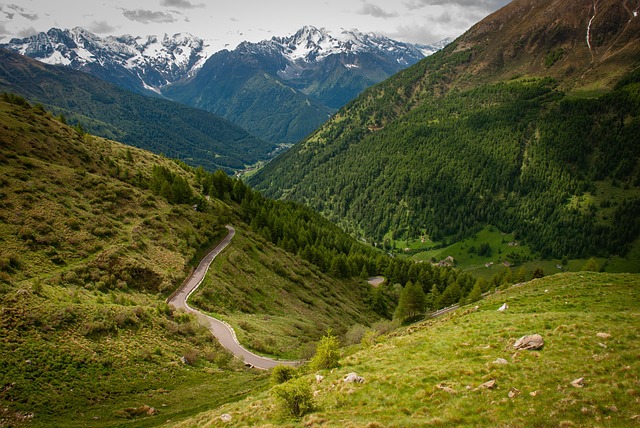
Navigating uncharted territories requires a keen awareness of safety, especially when embarking on off-grid camping trips involving off-roading adventures. Before venturing into remote areas or participating in jungle off-road racing events, it’s crucial to prepare meticulously. The unpaved road experiences can be exhilarating but also unpredictable, making survival skills and robust planning paramount. For instance, a study by the Outdoor Recreation Research Unit revealed that over 75% of outdoor enthusiasts who encountered emergencies in remote locations lacked basic survival training.
Safety measures should encompass multiple aspects. First and foremost, ensure your vehicle is equipped for off-roading with proper tire pressure, a robust spare tire, and necessary tools for unpaved road experiences. Carry a well-stocked emergency kit tailored to remote area survival training, including a first aid pack, water purification tablets, high-energy food rations, and signaling devices like a whistle or mirror. Familiarize yourself with navigation techniques beyond digital maps, such as using a compass and recognizing natural landmarks. Moreover, inform someone trustworthy about your itinerary and expected return time, especially when engaging in jungle off-road racing events that may take you into less accessible areas.
Beyond preparation, understanding local regulations and seeking guidance from experts is vital. Research permits required for off-roading in specific regions and adhere to guidelines designed to protect both users and the environment. Consider enrolling in remote area survival training courses offered by experienced instructors who can impart practical skills like fire-starting, shelter building, and navigating challenging terrain. These sessions are invaluable, especially when combined with hands-on experience during select off-roading adventures, ensuring you’re well-equipped to handle unexpected situations that may arise during your unpaved road experiences.
Embrace Self-Sufficiency: Food and Water Procurement

Off-grid camping trips offer an unparalleled chance to embrace self-sufficiency and reconnect with nature. Food and water procurement is a cornerstone of this experience. Unlike guided tours where provisions are provided, you’ll need to develop skills and strategies for sustaining yourself in remote environments.
Selecting the right off-roading adventures is key. Look for destinations known for their untouched beauty, like rugged mountains or pristine wilderness areas. Mountain biking adventures can open up new paths, allowing you to scout uncharted territories 1-3 times during your trip for fresh water sources and wild edibles. Learn to identify safe and sustainable food sources such as berries, nuts, and freshwater plants. Mastering off-road navigation skills is also crucial; utilize maps, compasses, and GPS devices to pinpoint reliable water sources and avoid getting lost.
Remember, self-sufficiency requires planning. Before heading out, research local regulations regarding wild foraging and water collection. Practice conservationist principles by leaving no trace behind. Carry a comprehensive survival kit equipped with tools for purifying water, preparing food, and tending to basic first aid needs. Experience has shown that those who successfully navigate these challenges not only enhance their off-grid skills but also develop a profound appreciation for the resilience of nature.
Discover Peace: Mindful Experiences in Nature
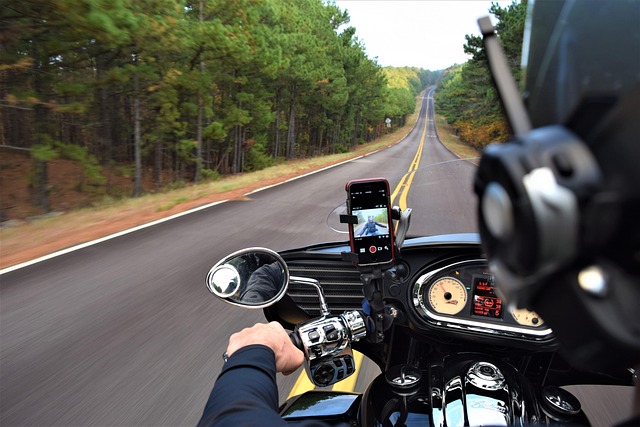
Off-grid camping trips offer an unparalleled opportunity to disconnect from the digital world and immerse oneself in nature’s embrace. When selecting off-roading adventures, prioritizing mindful experiences in remote areas can lead to profound moments of discovery and inner peace. The tranquility of the backcountry provides a sanctuary where one can escape the constant hum of modern life, allowing for a deeper connection with the natural world.
Backcountry exploration tours and remote area adventures often reveal hidden gems—serene lakes nestled among towering peaks, or secluded campsites bathed in the golden glow of sunset. These untouched landscapes offer a sense of freedom and solitude that is hard to come by in more developed regions. Extreme off-roading challenges can test your limits, pushing you to navigate treacherous terrain and conquer obstacles. However, it’s during these demanding adventures that the most rewarding discoveries await—a sense of accomplishment tempered with an appreciation for nature’s raw beauty.
To truly enjoy off-grid camping trips, consider engaging in activities like mindfulness walks, where you actively notice the sights, sounds, and smells of the environment. Journaling can also be a powerful tool to reflect on your experiences and the peace found within these natural refuges. Remember that selecting off-roading adventures with an emphasis on mindfulness allows for a deeper immersion, transforming each trip into a meaningful journey of self-discovery and reconnection with the world around us. By embracing the quiet moments in remote locations, campers can gain new perspectives and return home with a renewed sense of balance and appreciation for our natural world.
By carefully planning your off-grid escape, selecting a remote location, and equipping yourself with essential supplies, you can embark on transformative Select Off-Roading Adventures naturally. Mastering safety tips and embracing self-sufficiency in food and water procurement will ensure a rewarding experience amidst nature’s peaceful tapestry. These key insights empower you to navigate uncharted territories, foster a deeper connection with the wilderness, and create indelible memories. Take these learnings and dive into your next off-grid camping trip, where discovery, adventure, and tranquility await.